Guided field sessions in sediment analysis and fossil identification start March 2025

What People Are Saying

Real experiences from researchers who've joined our community to explore the ancient world through modern methods. These aren't polished testimonials—just honest feedback from folks who care about paleoecology as much as we do.

Petra Hellström

Research Associate, Quaternary Studies

I'd been stuck trying to interpret pollen data for weeks. Their workshop on statistical approaches helped me finally make sense of patterns I'd been staring at for months. Wish I'd found this group sooner—would've saved me from some serious headaches last spring.

Callum MacLeod

Graduate Student, Paleoecological Analysis

The mentorship program matched me with someone who actually understood my research questions. Not just surface-level advice—she helped me rethink my entire approach to sediment core analysis. That connection alone made joining worthwhile.

Amara Okafor

Independent Researcher, African Paleoenvironments

Being based in Lagos, I sometimes felt disconnected from the broader research community. Their virtual sessions run at reasonable times for multiple time zones, and people genuinely engage with my work on tropical ecosystems. Nice to not feel like an afterthought for once.

Bjorn Lindqvist

Postdoctoral Fellow, Climate Reconstruction

I've attended plenty of professional development programs that promise the world. This was different—practical skills I could apply immediately, taught by people who still do field work themselves. The ice core analysis module changed how I approach my research.

Siobhan O'Rourke

Lab Manager, Palynology Department

They helped our team modernize documentation practices without making us feel behind the times. The transition to digital cataloging seemed overwhelming until their consultant walked us through it step by step. Our workflow is actually sustainable now.

Tomáš Novák

Field Researcher, Holocene Environments

The field methods intensive was exactly what I needed before my excavation season. Learned techniques I'd read about but never seen demonstrated properly. Plus made connections with other researchers working in similar environments—already planning collaborative work for next year.

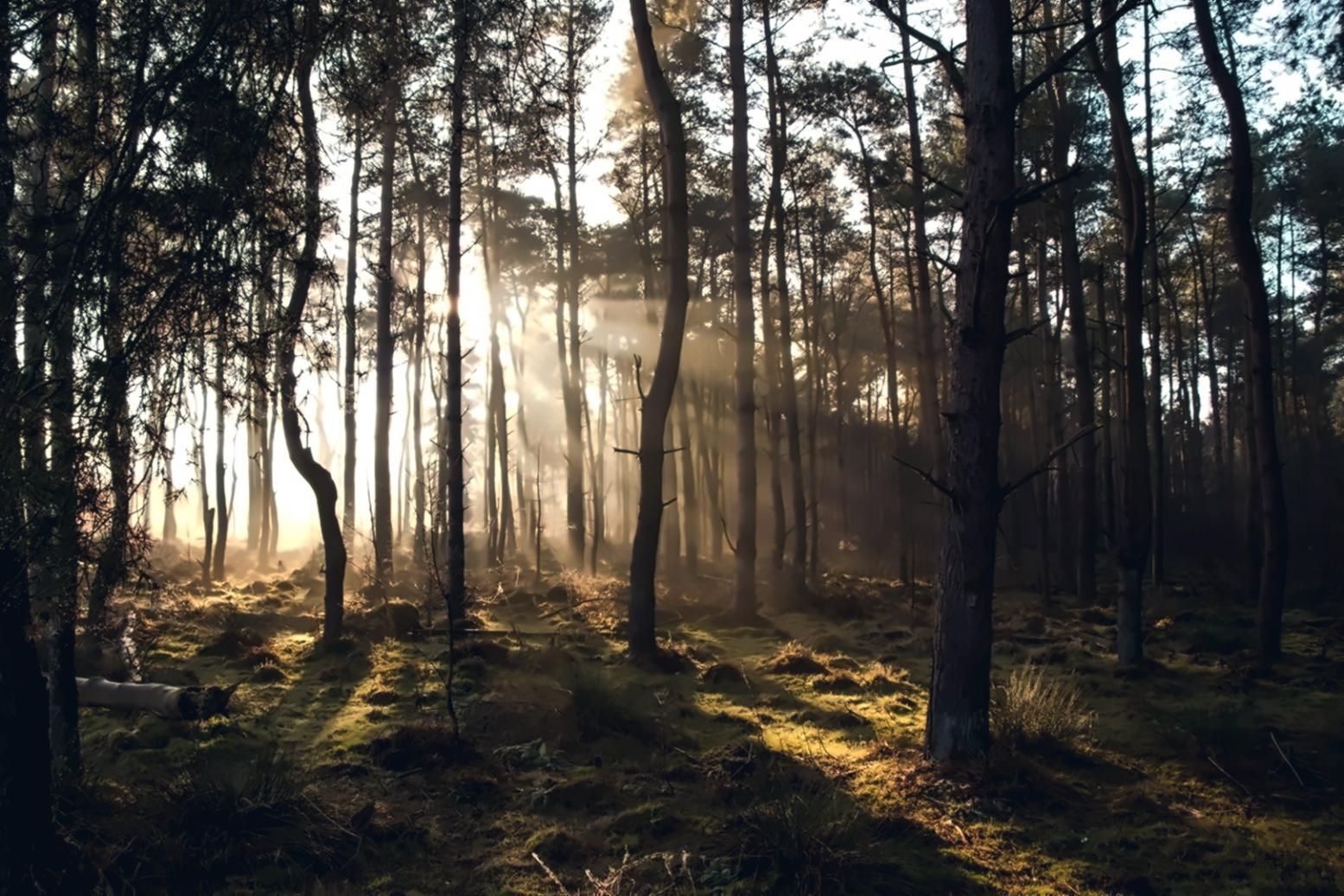
Paleoecological field research environment showcasing natural landscape analysis

Building Research Confidence

Most of us didn't choose paleoecology because we love networking or self-promotion. We got into this because ancient environments fascinate us, and we want to understand how ecosystems responded to past changes.

But research happens in communities, not isolation. And sometimes you need support that goes beyond what your institution provides—whether that's methodological guidance, analysis techniques, or just talking through a problem with someone who gets it.

What consistently surprises people is how applicable the skills become. You come for help with one specific project challenge, and end up with approaches you'll use throughout your entire research trajectory.

We've watched researchers go from uncertain about their data interpretation to presenting at international conferences. That transformation doesn't happen overnight, and it doesn't happen alone.

Detailed paleoecological sample analysis and research documentation process

Why People Keep Coming Back

  • Practical application focus: Every session includes techniques you can apply to your current project. No theoretical fluff that sounds impressive but doesn't help when you're facing a deadline.
  • Realistic timelines: We're upfront about what skills take time to develop. Learning R for ecological statistics doesn't happen in a weekend workshop, and we won't pretend it does.
  • Experienced practitioners: People teaching these sessions are actively researching. They understand current challenges because they're dealing with them too.
  • Community connections: Some of the most valuable feedback happens in informal discussions. Those connections often outlast the formal program.
  • Flexible engagement: Life gets complicated. Field seasons run long, funding applications demand attention, teaching obligations pile up. Access materials when it works for your schedule.
  • Honest feedback: When something isn't working in your methodology or analysis approach, you'll hear about it—constructively, but directly. That's more valuable than encouragement that doesn't help you improve.

Voices From Our Community

Beyond formal reviews, here's what people have shared about their experience with our programs and community.

L

Leif Andersen

Vegetation Historian

Finally got my macrofossil identification skills to where they need to be. The comparison collection access alone justified enrollment, but having experts available for tricky identifications made a real difference in my dissertation work.

November 2025
N

Niamh Fitzgerald

Peatland Researcher

The grant writing workshop was refreshingly practical. They reviewed actual successful proposals and explained why reviewers responded positively. Wish I'd attended before my last funding cycle—would've structured my application completely differently.

October 2025
D

Diego Vargas

Quaternary Ecologist

Being honest, I was skeptical about online professional development. But the combination of live sessions with actual interaction and self-paced modules worked better than expected. Learned more about stable isotope analysis than I did in my graduate coursework.

December 2025
E

Elina Koskinen

Paleoclimatologist

What I appreciate most is how they handle complex topics without dumbing them down. The dendroclimatology sessions assumed we had baseline knowledge and built from there—exactly what mid-career researchers need.

November 2025
R

Rhys Pemberton

Archaeological Science

The interdisciplinary approach makes sense for how research actually works. My project involves archaeology, ecology, and climate reconstruction—finding training that addresses those intersections is rare. This did it effectively.

October 2025
M

Margot Beaumont

Holocene Specialist

Their approach to statistical methods actually made sense to me—and I've struggled with quantitative analysis throughout my career. Breaking down complex techniques into manageable steps, with real paleoecological datasets, changed my relationship with data analysis.

December 2025